
By Gloria Stovall
The other day I came across a survey question, “should meat eaters pay higher taxes?” It was a question that I had never pondered; but after reflecting on the ramifications of eating meat, poultry and dairy products in general, I could see why the consent would be for meat eaters to pay higher taxes. Think about it…it costs more overall to produce animal protein, not to mention, factory farming damages our health by contributing to air and water pollution, increases our resistance to harmful diseases and antibiotic-resistant bacteria and significantly contributes to unhealthy diets and contaminated foods.
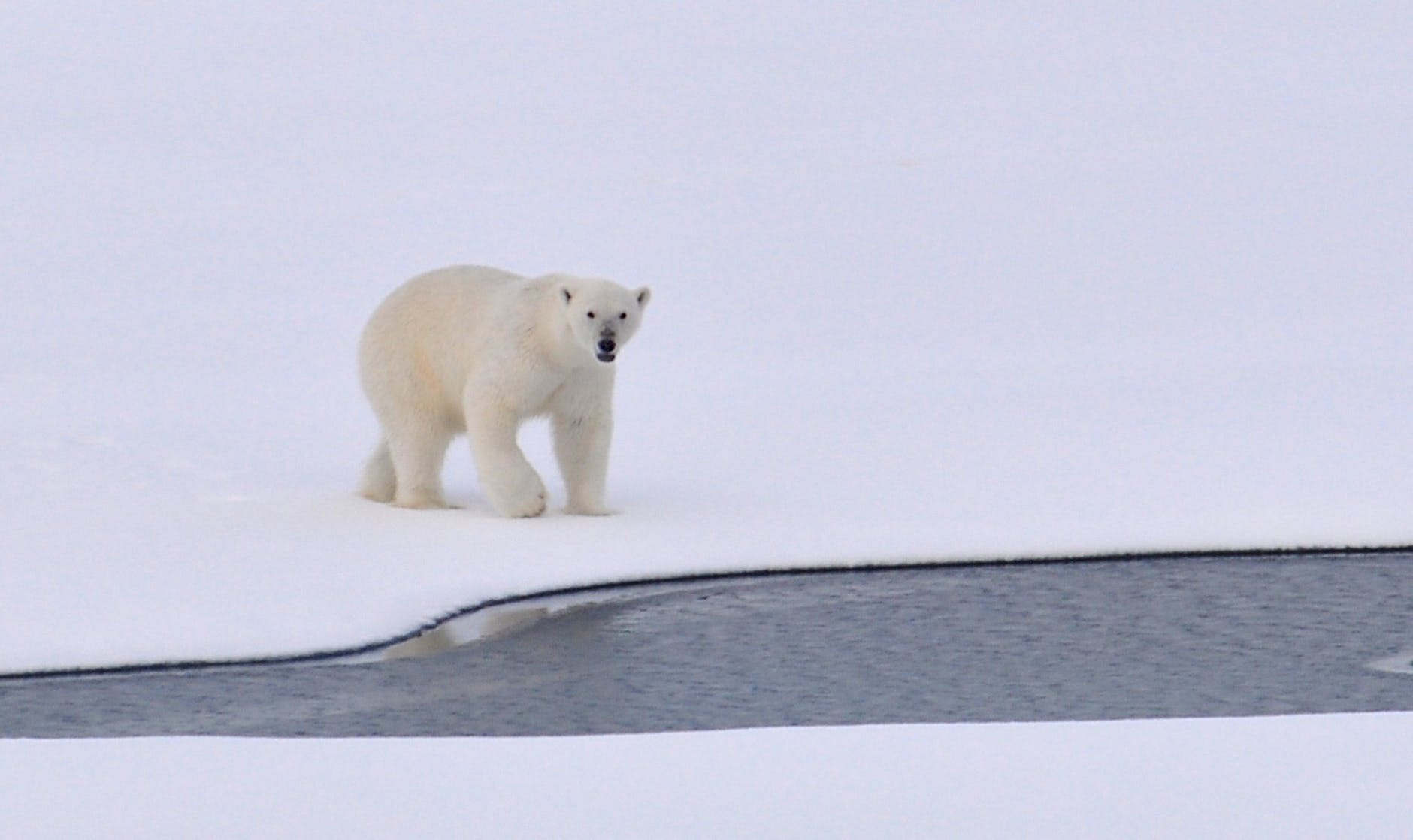
Air and water pollution is not only detrimental to human health; but also to the health of animals, which is animal cruelty, but unlike animals, humans can use air and water purifiers to make the air they breathe and water they drink, somewhat cleaner, but animals do not have that choice. If people reduced their consumption of animal protein and products even by at least 50%, there would less demand for factory farming, which means there would be less animal suffering, reduced pollution worldwide and climate change would slowly begin to reverse. Climate change is real and a serious problem. The Arctic is melting, sea ice is disappearing and I have seen videos of starving polar bears swimming endless miles in the Arctic sea to find food, whereas twenty or thirty years ago, polar bear populations was much higher than today as they had a higher chance of survival back then as opposed to the present. Many do not know the harmful effects of air pollution is the leading cause of mortality worldwide; and as long as people continue to demand and devour animal protein, factory farming will continue to contribute up to 37% of methane emissions, which is more than 20 times the global warming potential of CO2.
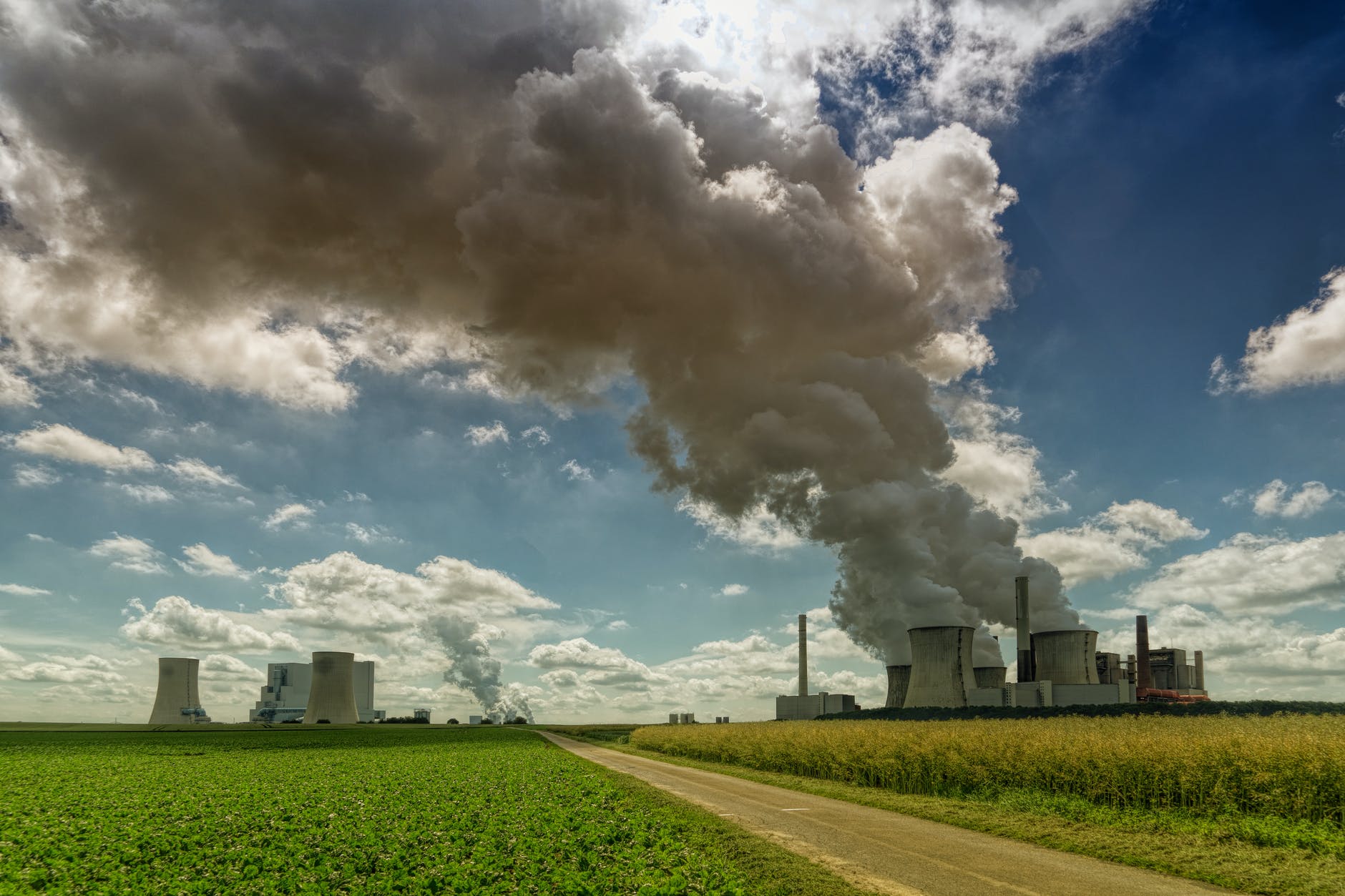
What you eat tremendously contributes to the health of the environment, planet, air, water, wildlife and biodiversity. Please forgive me for being blunt, but if you are consuming animal protein and products, you are literally hurting yourself, people, animals and the planet. You are contributing to higher health care costs resulting in higher insurance premiums as consuming animal protein and products is linked to heart disease, high blood pressure, cholesterol, cancer, stroke, depression, inflammation, diabetes, joint and neurological damage.
Did you know that consuming animal protein causes your body to produce high levels of ammonia, which is detrimental to your nervous system and brain as it causes the brain and nervous system function to decline more rapidly? You should also know ammonia causes your liver to work harder as it is trying to make the ammonia in your body as clean as possible, so it does not harm the other cells and organs in your body. In other words, eating animal protein results in excess ammonia in your body, which causes your liver to be overworked, which results in the toxins from the animal protein to linger in your body. Not only does eating animals seriously contribute to ill effects on your health and our planet, it also greatly contributes to animal suffering. I will spare you the horrific details about the conditions farm animals endure and methods in which they are slaughtered, but I strongly encourage you to watch, “Farm to Fridge” and Sir Paul McCartney’s documentary about slaughterhouses.
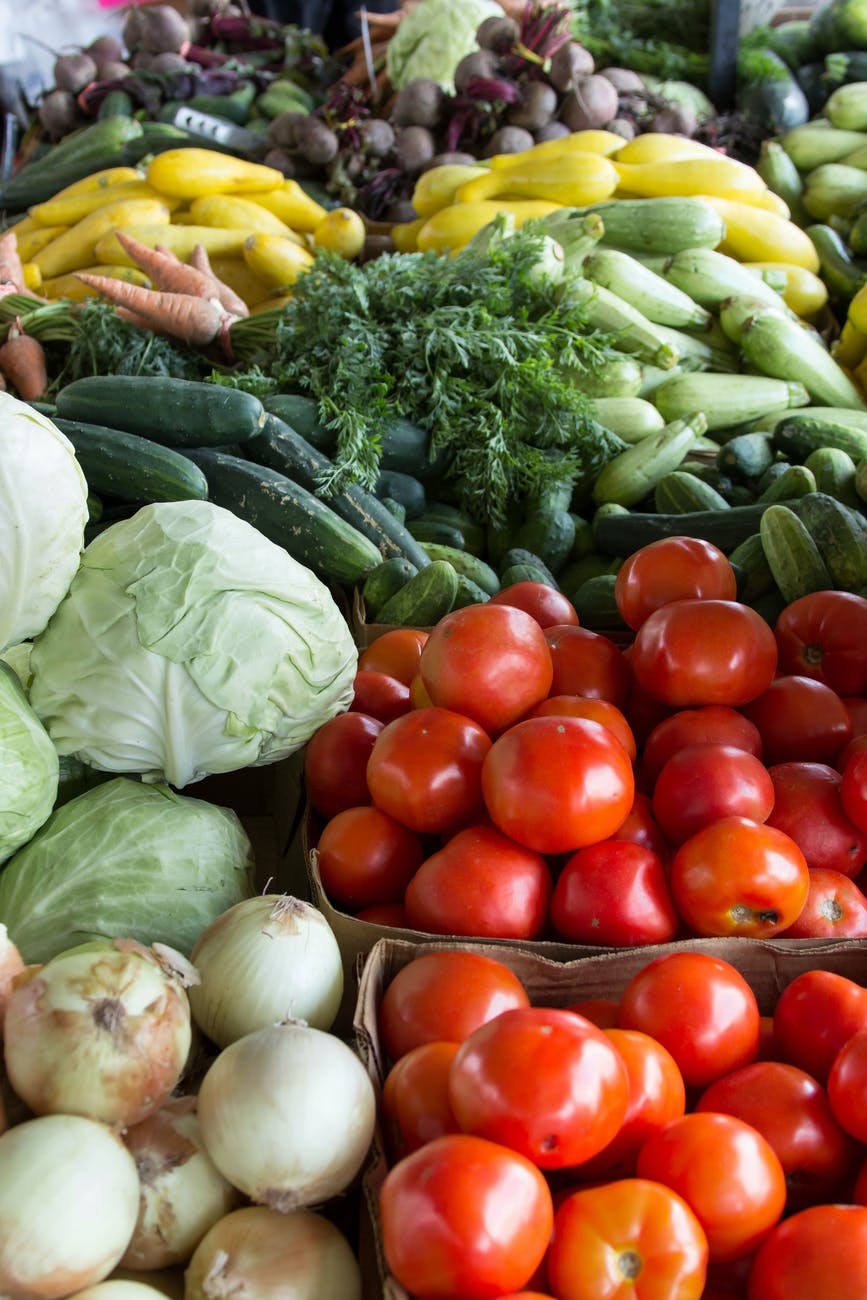
The vegan lifestyle is the chief solution to disease, most animal suffering, world hunger, pollution, global warming, biodiversity loss and climate change. Thank you so much for taking the time to read this blog entry and following my blog! I truly appreciate you and always welcome any comments you may have. Perhaps you are considering going vegan but are afraid or hesitant, I would be more than happy to answer any questions you may have about the vegan lifestyle.
Have a blessed week and I will be in touch soon!


Leave a comment