
By Gloria Stovall
I can remember as a child how much I loved and craved milk and would drink it in large quantities daily, never giving a second thought about the flatulence, cramping and distress it was causing my body. When I blossomed into a young adult, I realized how much discomfort, indigestion and bloating milk was causing me on a regular basis, and later, when I became a vegan, my stomach was elated as I was no longer causing it extreme agony by consuming dairy!
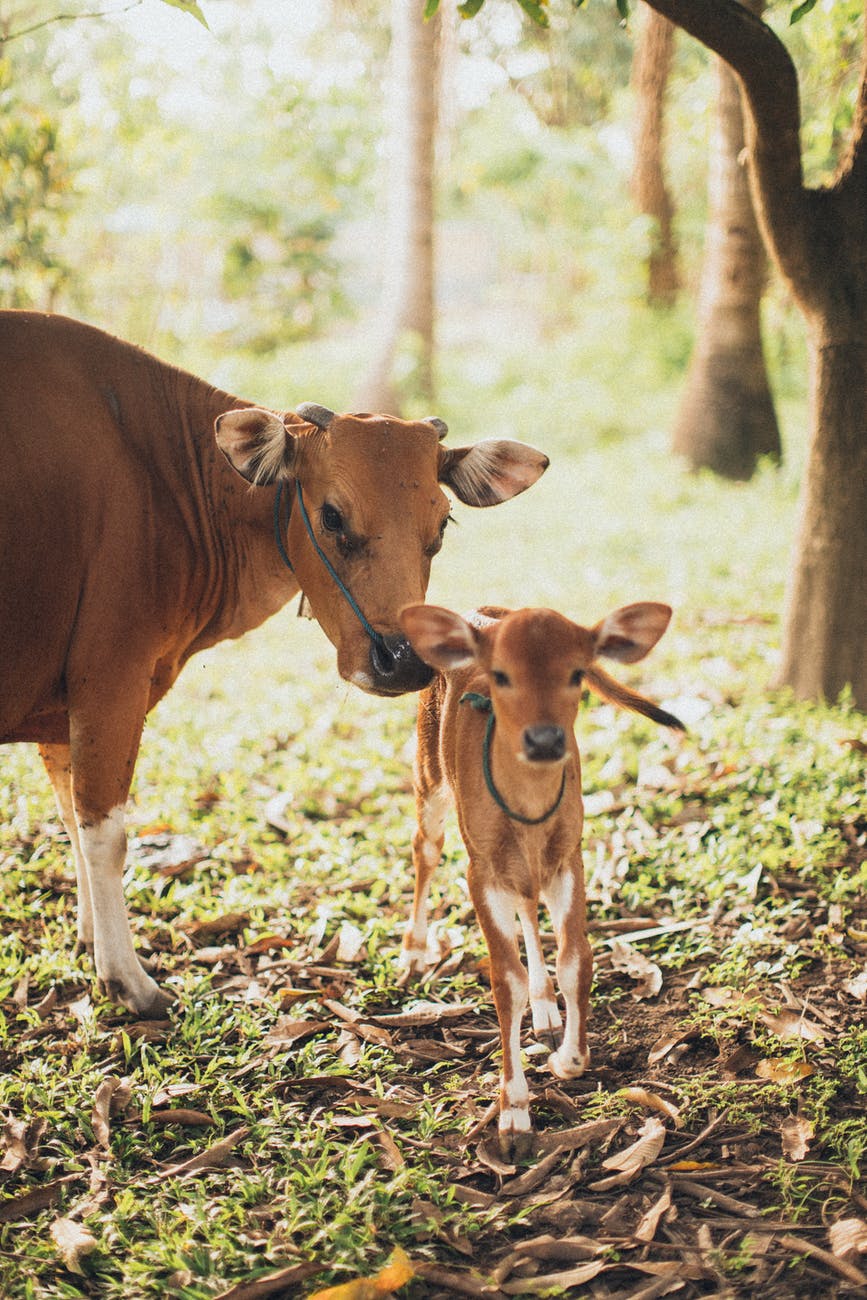
Contrary to the deceptive, multibillion dairy industry instilling in our heads “milk does a body good,” I must be the bearer of bad news and tell you milk does NOT do a body good unless that is, you are a baby cow; and we all know humans are not baby cows, therefore, the dairy industry is blatantly lying when it states, “milk does a body good.” Truth be told, the dairy industry is literally a multibillion industry so of course they are telling the world how good milk is for the body as they want to continue to make billions off a false statement, regardless of the proven negative impact dairy has on our health.

The following 24 facts prove milk is for baby cows, not humans.
- Milk does not contain enough of the vital nutrients for humans to thrive, overall.
- Milk lacks the proper amount of iron and vitamin C that infants need for adequate nutrition.
- Infants are not able to digest cow’s milk completely or easily.
- Milk contains high concentrations of protein and minerals, which causes stress to a newborn’s kidneys.
- Milk causes iron-deficiency anemia in human babies.
- Milk irritates the lining of our stomachs and intestines, resulting in blood in stools.
- Milk does not contain healthy fat for humans, but baby cows thrive on the fat.
- Milk makes infants more prone to severe illness during stress from heat, fever and diarrhea.
- Blood and pus are most likely present in milk as a result of an infection in the cow’s udder.
- Milk and dairy products are the top source of saturated fat, contributing to type 2 diabetes, heart disease and Alzheimer’s disease.
- Dairy increases the risk of breast, ovarian and prostate cancers.
- Milk and dairy products clog the arteries in humans, not calves.
- “Lactose intolerance” does not occur in baby cows, only humans as calves can digest their mother’s milk.
- Milk and dairy products increase our chances of developing calcium deficiencies and stress fractures.
- Humans are the only species that drinks milk directly from other species during infancy, childhood and adulthood.
- “Lactose intolerance” is an ability to digest lactose, a sugar found in milk and dairy products. Humans experience lactose intolerance, but baby cows do not.
- When humans consume milk they experience gas, diarrhea, bloating, stomach pains and nausea. Calves do not experience these symptoms.
- Cows produce milk to feed their own babies. Humans are not their babies.
- Cow’s milk is produced by the mother cow to help her calf gain hundreds of pounds in a few months, which is why it is so high in saturated fat. Humans should not be consuming her milk!
- It is unnatural and utterly weird for humans to consume the milk of another species.
- Childhood diabetes, obesity, bowel disease, cataracts, colic, ear infections and hyperactivity have been strongly linked to milk and dairy consumption.
- The proteins in cow’s milk are different from human milk, which is why indigestion, and the impaired absorption of nutrients occurs as a result of drinking cow’s milk.
- Bovine (cow) hormones are not meant for infants, children and adults, so we should not be consuming cow hormones!
- Human milk is literally produced specifically for human babies, whereas cow’s milk is literally produced for baby cows.

You have choices as there are numerous healthy plant-based milks on the market including almond milk, coconut milk, oat milk, cashew milk, potato milk, hemp milk, hazelnut milk, sesame milk, banana milk, pistachio milk, flaxseed milk and macadamia milk. As with all food products, I strongly recommend reading the labels and be sure to purchase the unsweetened or no-sugars-added plant-based milks, unless you want the extra sugar.
It is unnatural for humans to be drinking milk from another species, but unfortunately the dairy industry will never admit to this, so it is up to us to educate ourselves. I truly appreciate you and thank you for following my blog! I pray you are well, thriving and considering going vegan, if not already, and please feel free to reach out to me with any questions, suggestions or comments. I will be in touch soon! Have a blessed week!


Leave a comment