
By: Gloria Stovall
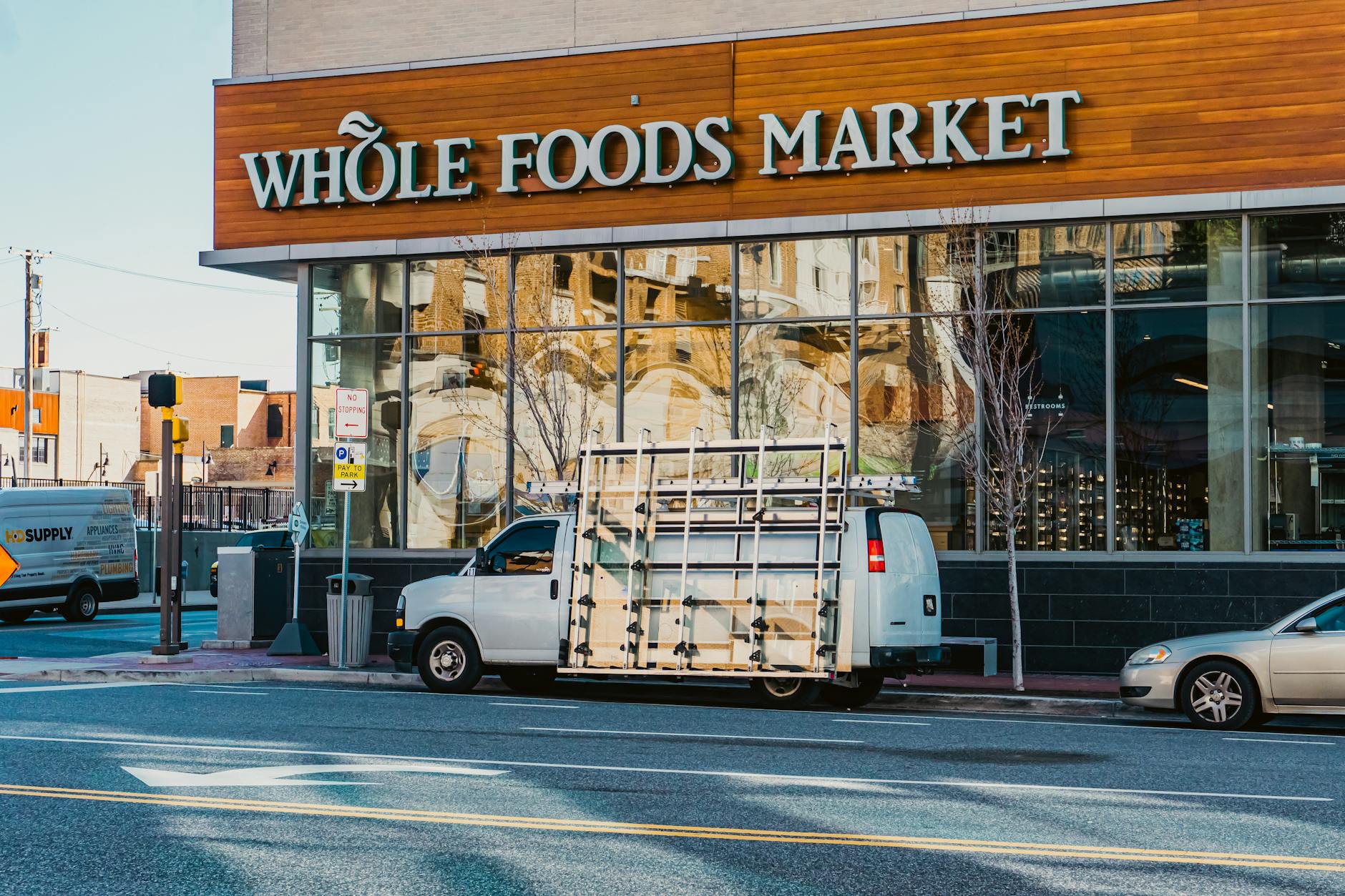
Where do you buy your groceries? Is your preferred place to shop living up to its “eco-friendly” and “green” standards or causing harm to the environment? Businesses and organizations are exceedingly influential with the proven capability to both positively and negatively impact the environment. For example, Whole Foods Market, with an impressive annual revenue of $20 billion (Wahba, 2024), prominently known for its high-quality organic produce, a diverse selection of delectable vegan and plant-based foods, and fervently striving to be one of the most sustainable grocers in the world, is a company utilizing and adopting best practices that both positively impact and unfavorably affect the environment.
Whole Foods Market is undoubtedly positively impacting the environment, and while some critics believe and argue the greedy pursuit of profits results in businesses overlooking important issues such as fair labor practices and environmental protection (Thompson & Norris, 2021), I believe that overall, Whole Foods Market genuinely cares about the environment.
Outlined below are notable actions Whole Foods Market has taken to emphatically benefit and impact the environment:
- Banned plastic bags at checkout in 2008 and plastic straws in 2019 (Whole Foods Market UK, n.d.).
- Participates in food waste diversion programs designed to keep food waste out of landfills 2019 (Whole Foods Market UK, n.d.).
- Implementing an eco-friendly anaerobic digestion in action plan, in which the Whole Foods G2E system, processes the food waste from its stores and is processed through an anaerobic digester, which generates renewable energy for electricity and heat (Whole Foods Market UK, n.d.).
- Installing electric vehicle charging stations, harnessing solar energy and achieving green building certifications (Whole Foods Market UK, n.d.).
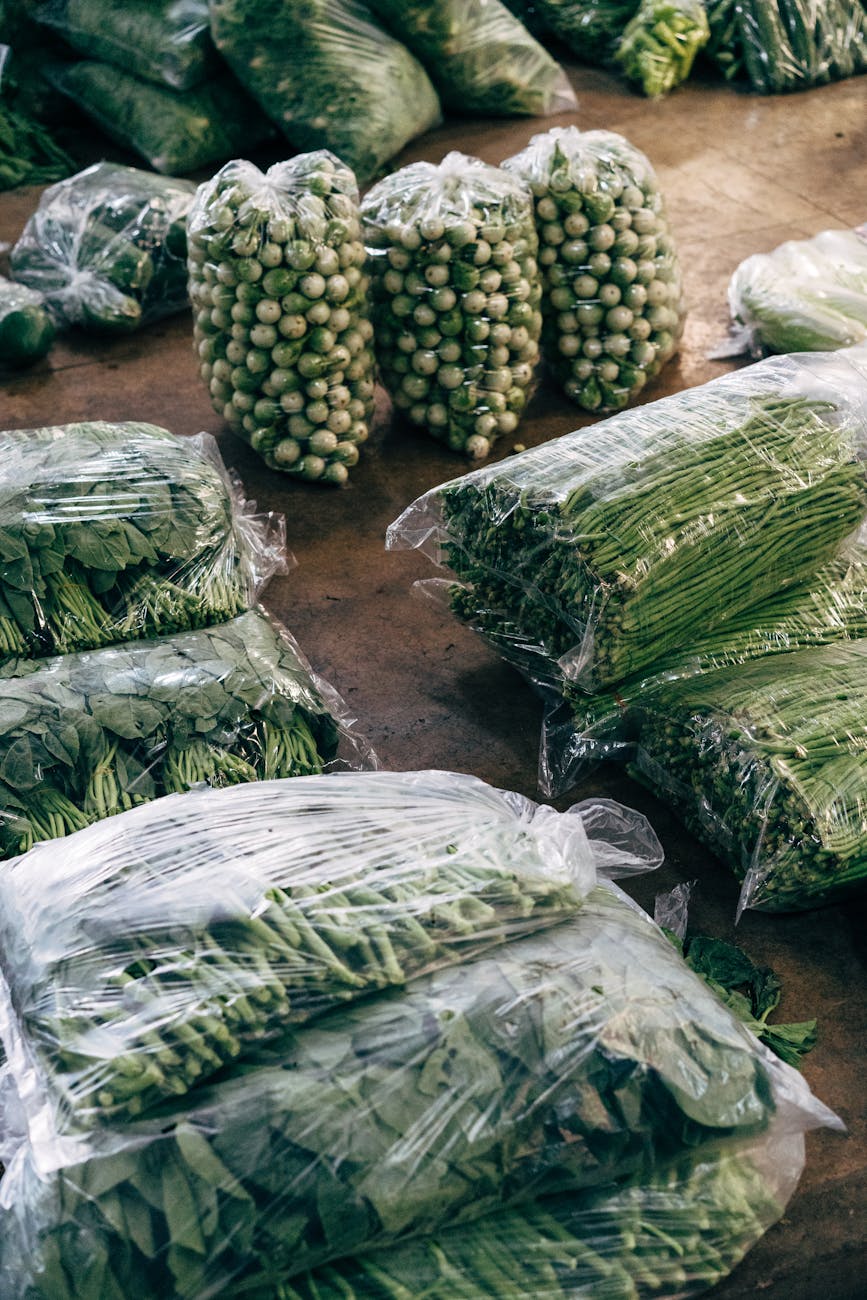
Sadly, Whole Foods Market, is also harming and negatively impacting the environment for the following reasons:
- Customers have limited opportunities to purchase the Whole Foods’ 365 brand items without plastic packing as less than 50% of products are available in plastic-free packaging (Blackledge et al., 2023)
- Whole Foods Market careless use of single-use plastic is causing significant environmental harm (Blackledge et al., 2023)
- Whole Foods Market built its planet-friendly reputation on a commitment to sustainability and environmentally responsible retail, but its shelves are still stocked with wasteful plastic packaging (Shopping at Whole Foods Should Mean Less Plastic Waste, 2023).
Whole Foods Market has both established and proven itself to be a pioneer, if you will, in the green and sustainable grocer movement, and taking the following effective actions will empower the company to become more sustainable:
- Reduce or eliminate the amount of plastic use in the packaging for its 365 Brand products (Blackledge et al., 2023)
- Increase and introduce reusable or refillable packaging in all Whole Foods stores (DiSanto, 2022)
- Phase out single-use packaging with dangerous chemicals including BPA, Phthalates and PFAS (DiSanto, 2022).
- Offer 100% recycled paper produce and bulk bags (DiSanto, 2022).

I shop at Whole Foods for the fantastic sales on Beyond Beef, chickpea pasta, and tasty vegan cheese, and I especially love grabbing a slice of fresh, hot vegan pizza, but I try limiting the amount of money I spend when shopping at Whole Foods as I do not want to contribute to funding a business that is harming the environment. Not to mention, the Whole Foods 365 Brand coconut milk is not ethically sourced, so drastic changes are needed within that company.
Thank you always for following my blog, and I hope and pray you are well. Are you thinking about going vegan before the year is over or maybe trying out the vegan lifestyle for a week or two? If you have any questions, comments, or hesitations, please reach out to me, as I would love to help you on your vegan journey. I will be in touch soon. Stay safe and have a blessed week!

References
Blackledge, S., Casale, M., & Thompson, H. (2023, March 2). The whole foods plastic problem. Environment America Research & Policy Center. Retrieved September 28, 2024, from https://environmentamerica.org/center/resources/the-whole-foods-plastic-problem/
DiSanto, E. (2022, January 3). 10 steps whole foods can immediately take to reduce single-use plastic. Environment Iowa Research & Policy Center. Retrieved September 28, 2024, from https://environmentamerica.org/iowa/center/articles/10-steps-whole-foods-can-immediately-take-to-reduce-single-use-plastic/
Shopping at whole foods should mean less plastic waste. (2023, December 18). PIRG. Retrieved September 28, 2024, from https://pirg.org/articles/shopping-at-whole-foods-should-mean-less-plastic-waste/
Thompson, P. B., & Norris, P. E. (2021). Sustainability: What Everyone Needs to Know®. Oxford University Press, USA.
Wahba, P. (2024, July 1). “Whole Paycheck” no more? Whole Foods is slashing prices. Fortune. https://fortune.com/2024/06/29/whole-foods-cut-lower-prices-discount-sale-inflation-ceo-jason-buechel/
Whole Foods Market UK. (n.d.). Whole Foods Market UK. https://www.wholefoodsmarket.com/mission-in-action/environmental-stewardship


Leave a reply to Shree caterers Cancel reply